Blue Triangle is a homelessness charity, social care provider and registered social landlord, supporting more than 400 people every day across Scotland. Through safe, supported accommodation and outreach services, we help people affected by homelessness build stability, improve wellbeing and create brighter futures.

One of those services is Titchfield Recovery Service in Kilmarnock, which provides accommodation and support for people on their recovery journey from addiction. This Scottish Housing Day, we’re celebrating how housing supports good health through a project that has flourished at Titchfield: the Garden Club.
For many people, recovery is about far more than overcoming addiction. It’s about rebuilding confidence, developing healthy routines, improving wellbeing and creating a life filled with purpose, connection and hope. At Titchfield, these goals are woven into everyday support, and nowhere is that clearer than in the service’s shared garden.
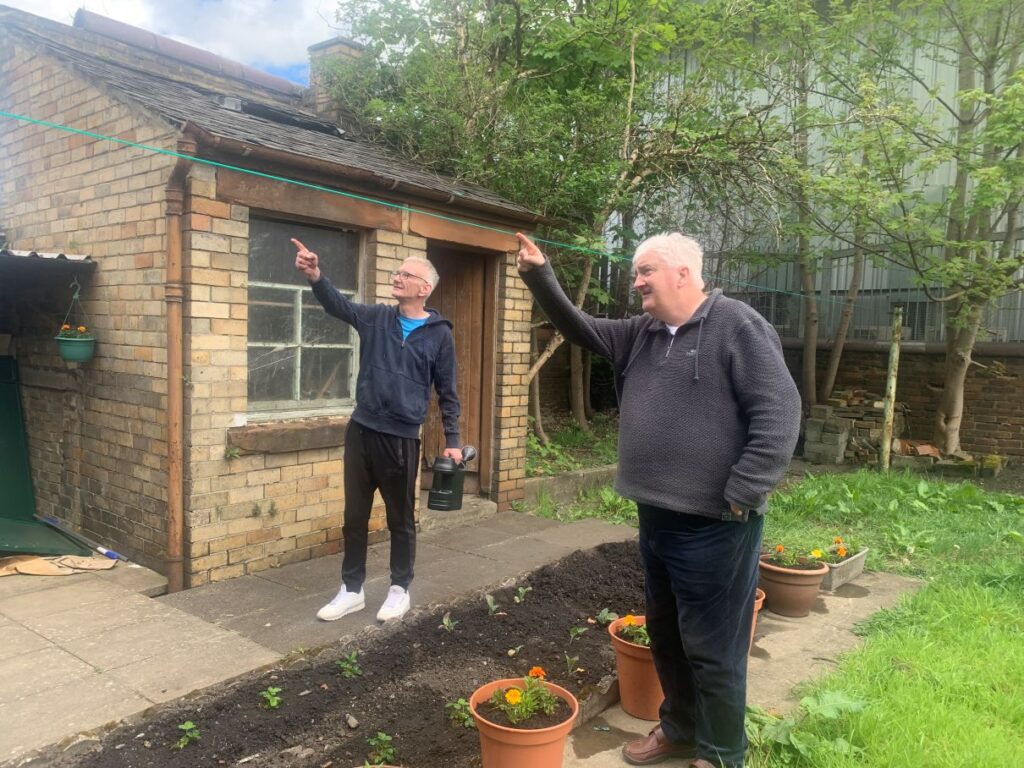
Over the past year, the Titchfield Garden Club has transformed an outdoor area into a welcoming space where supported people grow vegetables and flowers while building confidence, responsibility and routine. What began as a gardening project has become a place for reflection, connection and personal growth.

As Service Manager Julie Stebbings explains: “For our supported people, the garden is an escape for them, spending time with their thoughts and reflecting on their journey. Staff spend time with them too. Gardening is about new seeds growing, nurturing, the right environment and meeting their needs to grow. This is the same with recovery.”
Engaging people in new activities can be challenging, particularly during the early stages of recovery. Motivation can fluctuate and not everyone arrives ready to participate. The team addressed this by making the Garden Club flexible and pressure-free. Supported people could contribute as much or as little as they felt comfortable with, whether planting seeds, watering plants or simply spending time outdoors.
Over time, consistent support from staff and the visible rewards of gardening helped build confidence and encourage participation.
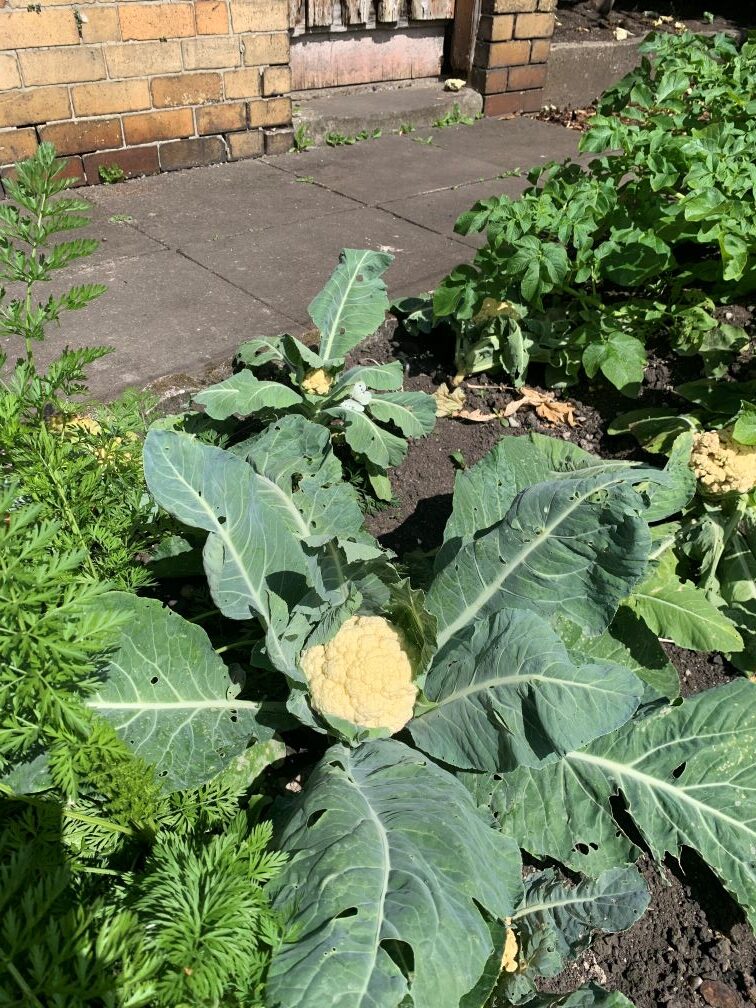
Today, the garden is one of the most valued spaces within the service. Supported people report feeling calmer, more grounded and more connected to both staff and their peers. Caring for something living provides structure and routine, while the process of planting, nurturing and waiting mirrors the patience and consistency needed in recovery.
The garden also complements wider activities at Titchfield, including cooking groups that build practical skills such as meal planning, budgeting and food hygiene, helping people prepare for independent living while improving their overall wellbeing.
The service has also recently opened its first outreach flat, creating a stepping stone for people preparing to move on from supported accommodation into greater independence.
The Titchfield Garden Club demonstrates how supported housing can positively influence both physical and mental health.
Access to safe accommodation provides the foundation for recovery. But opportunities to connect with others, spend time outdoors, learn new skills and develop healthy routines help people move beyond surviving and begin to thrive.
At Titchfield, housing is about more than a place to stay. It is a supportive environment where people can improve their health, rebuild confidence and create a future they can look forward to.
From planting seeds to preparing meals and taking steps towards independent living, the experiences people gain at Titchfield help them build the skills, routines and relationships that support long-term recovery. The Garden Club is just one example of how a healthy home can help people grow and thrive.
Find out more about Blue Triangle and our work at bluetriangle.org.uk